


 My Cart 0

Building long-term business relationships is a fundamental approach for every businessman. You need a positive reputation to attract fresh leads. It satisfies customers’ review support in building new connections as well. Public relations and public affairs are almost similar as their primary purpose is to build connections.
Different methods of communication and offerings are used to strengthen connections for future benefits. Certain differences in their focus, approach, and nature separate them from each other. There is much confusion about these two strategic communication processes. Public affairs campaigns and the practice of managing communication are beneficial for both industry and the public both.
This article will help you to understand both of the points properly and know the difference between public affairs and public relations.
Public affairs vs public relations is one of the most popular topics today. People make silly mistakes just because they take both of the points the same. Despite many similarities, some factors separate them. Let’s see how.
What Is Public Relations?
Public relations is a strategic communication task that uses different means of communication to disseminate useful information among people. Before communicating, it is important to estimate public perceptions. Only valuable visitors respond to your information. After disseminating the information, you get a chance to identify what your consumers or visitors think about your brand or service.
Companies that deal publicly need to maintain a positive market reputation. So they tackle the challenges during media requests and shareholder inquiries effectively. In easy words, public relations is defined as a procedure to create and maintain a positive public reputation. Press releases and social media platforms are two of the best tools for public reputation. The role of public relations is to increase your brand awareness among the public in a less expensive manner.
What is Public Affairs?
Public affairs is a combined responsibility to disseminate information and maintain relations at various levels. The nature of public affairs is quite more political than we see in public relations. Public Affairs work on those topics which may affect or approach the public directly.
Legislation and public administration are two of the biggest examples of public affairs action plans. The role of public affairs includes alignments with noncorporate entities. According to the experts, public affairs is a much more effective relationship-building strategy for monitoring government relations and managing community affairs.
Many people have a question, what does public affairs do? There are a group of activities that include disseminating the information to stakeholders. The main purpose of this step is to influence the public and strengthen the agenda of the industry. Public affairs concentrations work at a vast level of government and politics, international affairs, public policy, and administration. It would be wrong to say that public affairs are limited to these criteria. They can serve you with the best possible results at various different levels.
Public Affairs vs Public Relations: How Are They Similar?
Despite some differences between public affairs and public relations, they are quite similar. You might be feeling a little confused about how they are similar if both have differences. The answer is the way some differences separate them and a few similarities connect them too. Raise the level of your understanding of both concepts by giving information.
The main motive of public relations and public affairs is to spread useful information. Both services depend on powerful campaign management strategies. In which creation, development, and execution are stepwise performances to make a campaign successful. Where PR representatives work harder to organize campaigns and generate public interest, public affairs experts are also responsible for building multimedia campaigns.
A public affairs representative is also responsible for encouraging the maximum number of people to participate in the campaign. We can see how public relations and public affairs strategies utilize a blend of digital and traditional marketing strategies. That also explains their similarities. The way public relations and public affairs experts use social media platforms also connects them.
Public affairs and public relations activities include research at an advanced level and analytical and critical thinking skills. You can use your previous or current public relations strategies for future campaigns as well. All these explanations are enough to explain how public relations and public affairs are similar, even with many differences.
Public Affairs vs. Public Relations: How Are They Different?
If there are twins in a family, it is common for them to have many similarities. Still, parents judge many differences to give them a separate identity. The same thing happens with public affairs and public relations. Both are similar, but there are some points where they are separate. The very first term on which we can differentiate them is the type of relationship building.
The main targeting aspect for public affairs campaigns is different than public relations. They focus on public life in their own way. They make an effort to check the public reactions and responses to their services and brands. Here we can see that public relations work in a unique manner. Public relations campaigns are much more focused on strengthening a particular link. Such a link is a packet of information about a brand, offers, discounts, new launches, and more. Differences in the objectives also separate them.
Public relations experts follow commercial objectives. On the other hand, public affairs are very much focused on public policies. A matter of discussion was always a matter of public relations vs. public affairs. Public affairs examples include Walmart and Coca-Cola brands. Wallmart is known for its legendary economic impact. If you talk about Coca-Cola, this brand has shown how to engage your stakeholders successfully. Public affairs strategies have made these brands so powerful.
Conclusion:
I don’t think you will ask now, is public affairs the same as public relations. This article has clearly explained that both are similar in some ways and different in others too. You can use both in your business to get closer to your success goals in less time. We all perform our level best to survive with a great reputation in the competitive market. Smart strategies like public relations and public affairs bring opportunities for us. So use them in the right manner and enjoy the results.
Businesses that want to work around their key objectives need a stable market position. For that, you need to fulfill public perceptions. Public relations plan is a reliable source that helps to spread brand awareness and fulfill the perceptions of your valuable audience. According to marketing experts, public relations may bring countless benefits to your business. It works for any type of business. If you are at just a starting stage then also it will improve your credibility.
But make sure that your public relations plan is well maintained according to your market type, audience, and other goals. Only with a highly organized public relations plan, you can gain real advantages of public relations.
What is a PR plan?
As a business person, you must be knowing what is public relations and its benefits. But still, many people don’t know about the PR plan. Planning is always important before you raise any step in business. Similarly to successfully execute the entire PR process you need to plan strategies accordingly. There are different steps that you follow to set a perfectly suitable strategy for your personal or industrial growth. The main goal of public relations is to approach your desired sales outcome. The entire public relations planning process walks across the stepwise strategies to meet success.
Advantages of a well-executed public relations plan:
A PR plan is a powerful marketing management source to reach your business objectives. It even helps you to build your reputation and presence. However, people take this tool lightly or execute it wrongly due to poor knowledge. As result, they may fail to achieve the following benefits of a public relations plan:
1. Increased brand credibility:
Today advertising platforms are so expensive to afford. Public relations plan can lead you best results at less investment. So now don’t just dream to become popular as you can get the desired popularity in reality. Make the right PR plan for the purpose to increase your brand credibility. Informative and authentic content will directly approach the targeted market and bring unbelievable output by increasing brand credibility.
2. Building brand reputation:

Investors love to invest in popular brands with a great market image. The public relations planning process ensures to display a clean and clear reputation of your brand in form of public. That again supports your business with frequent lead generation. Even your customers stay with your brand for longer. An experienced PR team gains trust under a short waiting time by making effective public relations plans.
3. Attracting targeted audience:
Using the power of content and social media platform is part of the public relations planning process. It targets the right place and saves your precious time and money. Utilizing the most trending media platforms brings more attention from the audience. As result, you can notice an increased number of genuine leads.
4. Long-term effects:
PR action plan works for current and future benefits. By maintaining your brand reputation for upcoming years you gain stability for your business. Also, some valuable consumers get associated with you for the long term which brings a permanent and secured sales benefit. Experts advise you to make powerful PR campaign strategies for your industry. That prevents you from losing your associated customers and impacts your current image.
5. Added Value:
If you have a full-proof PR plan strategy then nobody can beat your market visibility and reputation. Even you will be able to get value-added benefits of Public relations. It gives real recognition among your competitors in the marketplace. By doing the personalization of your brand and building a strong relationship with increased visibility you can easily acquire a position among the public. Even people believe in your services or product. The whole credit goes to your efficient PR planning team.
How to Develop a Perfect Public Relations Plan:
Below are some steps that your PR plan strategy must include:
1) Define Your Objective:
At this step, you need to coordinate with your management team. Ask for their objectives then only you will be able to plan accordingly. It will give measurable, real, and time-oriented PR plans. Defining public relations objectives for effective PR planning is also popular as a ‘SMART” approach to get success in building relations among the public. There are two main types of objectives which are communication and business objectives. You need to take each type and concept seriously for this purpose. A predefined objective helps you by guiding with a clear direction.
2) Establish Clear Goals:
Analyze your public relation and business goals and check if they are realistic or not? Also, make sure your goals are not time-consuming. It means you must prefer to include achievable goals in a small duration. A business journey doesn’t mean for a limited period. In exceptional cases, it may but normally you start a business for your generations. Successfully achievements of public relations goals give you encouragement and motivation for the future. That way you effort much better and improve your reputation along with time. This is the reason why you need include establish a clear public relations goal in your PR strategy.
3) Identify Your Target Market:

There are a variety of consumers with different tastes and requirements in the market. You can not waste your and their time in approaching every single person. It will not just affect your time but your budget too. Being a smart PR person you can not consider every single person as your potential customer. PR strategies will help to analyze and define your lead segments. Do deep research on preferences and requirements of the public available in the market. There are many free or paid tools available to help you in this regard. Segment the market into groups according to their buying habits. You will get the correct data of your ideal customers. You can define them as your target customer. Even every market is not made for you. Look out for the right marketplace where you can raise the standard of your brand among your competitors with a better reputation.
4) Define the Key Messages You Want to Communicate:
PR campaign strategies ensure that a clear, informative, and attractive message arrives at each of your visitors. You can not proceed with this step until you have defined the key messages for your further communication. Communication is the main source that helps people to know about you. Emailers, bulk messages, referrals, and content ads are used for this procedure. Social media platforms and personal or commercial emails IDs are the platforms of communication. Only well-written, short, crisp, unique, and informative content is considered by the readers. So your key message needs the strength to convey the same you want to express. Also, its appealing approach can pitch for the conversion.
5) Choose the Channels, Media Outlets, & Mediums:
In public relations targeting the audience is the most focused task for the PR team. But, how you will target your audience? By updating them about your product, services, special offers, and more relative news. But how your content will reach your targeted public? Your PR action plan must include the most trendy, powerful, and budget-friendly mediums to display your brand. To find out the best channel you must look for the channel strategy and demographic prospects. Investing in live streaming can bring better outputs at less investment of most popular social media platforms.
If your content is only a text then spending on an audio-video platform will only impact your budget. We generally go along with the trends. You tubers with a great fan following can help to promote your brand image. But choosing them according to your financial status and product value is the right way. In the same way, your media outlets need to be reliable to spread the best about the brand at less cost.
6) Choose the Content Types You’re Going to Use:
If your PR action plan is done with the above-mentioned steps then you need to proceed with finalizing your content type. Content is information about your brand or service. Boring content will never stay in the mind of the readers. To connect your connection needs to be attractive and informative. Short text will work well for sending simple text messages. But if your piece of information is larger then a boring script will not work. Blogs and articles pitching keywords can bring visitors’ attention. Today audio-video contents, youtube advertisements, Facebook postings, and more options are in trend. Make sure you use the right content type for the right platform. Also never compromise with the quality of your content. Do a confirmation that your platform allows the download, share, and comment section on your message. So that your public relations target audience will be able to express their views and experiences about your brand. That will help you in improving on your negative sides and reverting accordingly. Instant replies on comments give a personised feel to your valued customers that also supports your relationship-building process.
7) Carefully Craft Your Pitches:
Your PR plan strategy needs to straight forward in this step. Pitch at the right place without any compromise. Because wrong information and all your built reputation will be destroyed. Be very careful while selecting or crafting the right pitch. Before handling the project make sure you read the previous article of the concerned person. Also, brief your pitching team about the brand properly. You can afford the results of their silly mistakes due to misunderstandings.
The most common mistake that many of you do, is mentioning the wrong address, which causes delivery failure and wastage of time. Be very attentive while putting addresses to your emailers. Sending bulk messages is known as a time and cost-saving term of sending messages. But it is very important to have a track record of all your shared messages. That will support you in maintaining future contacts as well. To apply the suggested tricks perfectly craft your pitches carefully. These tips will help you in making fewer mistakes and approaching better outcomes.
8) Develop (and Use) a Distribution Plan:
According to your public relations plan everything is ready with you. You have the right content, best platforms, and right time to post your brand information. But still, you are confused about what content will perform better at which platform? Here you need to do development and distribution work to complete the communication process in PR. GEnerate public requirements by finding their requirements. Now pitch the customers according to the type and quality a platform allows. Enhance your pitching at places with more genuine leads. It will get you a better customer response. Distribute the brand information at required platforms and media outlets in the form they accept. Make sure the platforms are responsive and trendy that you choose for distribution.
9) Measure Your Progress:
Well done, You have completed all the steps of your public relations plan strategy. This is the time to do self-analysis. Now sit back and check the progress in your lead generation after your PR plan execution. Achievements of higher lead generation results mean you did a perfect job. But, in case it is taking longer to get a visible response, then check for your weak areas. Find out your faults and customer review. Do some research and rework to resolve the issues you are facing. Soon you will gain measurable progress response against your PR plans.
Conclusion:
You can invest a huge amount to promote your brand. If your PR strategies are weak then it will not fetch desired public response and brand reputation. Strategic planning for public relations and developing the public relations campaigns can result same or better you expected. So make sure you have an experienced and skilled PR team to make the stepwise public relations strategy. Using all the resources carefully and properly is the key skill for PR experts. To save your time and money in rework, develop your public relations plan for your business today. Use the steps mentioned above to avoid mistakes. Well-planned and properly executed PR plan contains the power to give a top position to a brand in the market.
Public relation is the management and dissemination of information. This method is used by businesses and individuals to update people about products and services. Internal parties of the business have the authority to control and manage public relations.
Considering the numerous benefits of PR, it has been considered an essential tool for the progress of any business or individual. You bring more people to your business and save them for the future as well. That gives strength and surety of growth. Many platforms are used to create and manage public relations.
PR Tools:
- Prowly
- Muck Rack
- HubSpot’s Public Relations Kit
- Prezly
- Mention
- Coverage Book
- Meltwater
- Cision and more
These tools are also known as digital PR tools. Different platforms are used to execute the process of PR. Public relation experts use above mentioned tools and take the following steps for visible PR response on various platforms:
Steps of the PR process:
- Planning
- Managing
- Tracking PR campaigns
- Conducting PR outreach
- Publishing press releases and more
Why is PR essential?

You ask silly questions when you have a vague understanding of a matter. The same rule applies to the concept of PR. It is very important to know what are PR benefits, and how to do it perfectly. Then you must know why it is essential for your industrial or personal growth. Tractions are a part of the business. You may face them often or occasionally. PR gives you the strength to stand and fight effectively in terms of traction. Larger returns with better ROI are the main reasons why do you need public relations. People looking for long-term success admire that PR is essential for them.
Public relation is a well-planned process where you ensure to share the right message to the right people through the right platforms. A well-executed PR execution may strengthen your market strategies. It is a great source to boost your online reputation. Below are 8 proven reasons why PR is important for you.
1) Improved business lead generation:

If you are looking for a better outcome from your business, then invest in public relations. It will support the outcome with fresh and genuine leads. It becomes because PR enhances your visibility at social media outlets. So that your public interaction becomes easier and faster. The benefits of PR have made it the first preference of marketing experts. Getting more fresh leads means a hike in sales numbers. Which is directly going to improve your profit. No matter what is the size, type, or market of your business you need to invest in public relations.
2) Increased credibility:
There is no meaning of a campaign if the timing is wrong. Make sure your media placements are correct and the timing is also right. After that check that you are catering your information menu to the right public. Otherwise, all your time and investment will go in vain. Public relations experts ensure the right path to attract investors. They target potential customers only and give a stable movement to your investments. This is how you get increased credibility at any stage of your running business. You can even use PR at the initial stage. Approach to great credibility is the main purpose of PR for many businesses.
3) Prospective employees:
Who doesn’t wants to have talented employees in his company with a good relationship? Nobody will answer with a yes. The reason is there is only the backup plan and execution of highly skilled and experienced staff behind a successful business. But have you ever thought about how you can get such employees in your business? If no one knows about your business then only recruitment consultancies cant bring talent for you. Talent is searching for popular and reputed businesses. To become popular with a clean and clear reputation you must prefer PR in your business. Soon you will notice that highly qualified and talented employees are approaching your organization themself. We must consider this advantage of public relations to recruiting talent. This method is also helpful to retain your existing staff.
4) Cost management:
If you are still unaware of the added advantages of public relations, this point can help you a lot. Cost-saving is the prior term for any business. Effective implementation of PR strategies can bring huge savings on your advertising costs. Using integrated PR can save maximum on your overall promotional activities.
5) Improved audience influence:
In today’s competitive market it is harder to build up trust. But connecting with your audience with the right messages can help. This way you can easily build up a long-term relationship. Public relations benefits are characterized to improve audience influence for your purpose.
6) Quick response:

This is the best answer to the question that why is PR important? Whenever we invest in something it is said to have patience. According to experts in different fields, patience always brings better results. But if we talk about PR, it is known for faster results. Strategies of this method respond quickly and bring the best output for your business. So get the best PR team for your business today.
7) Increased visibility:
Sit inside your room alone and keep the door and windows shut. Now do creative things but don’t show them to anybody. After some time you will realize that you are losing interest in your creativity. It is so because there is no display, no motivation, and no profit. The same thing happens in business, you need to show what you have better than anyone else has. PR is a unique way where you can use digital tools and platforms to display your inventions, brand, or service. It supports the display at a vast level. The importance of PR ensures your visibility is positive and in the right place. It even prefers to be displayed in front of the genuine public. This legendary role of public relations improves your goodwill and increases the sales numbers as well.
8) Mass reach:
PR is not limited to some particular areas. There is no limit to exceeding the level of awareness among the public. You can even spread it to national and international levels. So you can resolve your multiple purposes by using PR in your business.
Conclusion:
A table has stands then only it is called a table. Without that stand what you will call a flat surface? Even it will fail to solve the purpose of having a table in your home. Public relation works like that stand for your business. It includes many strategies to hold it strongly and proceed towards your dream goals. The countless benefits of PR itself explain why do you need Public relations in your business.
We are living in a digital age. Businesses using meaningful matrics and diligence can only win the battle of competition. It is quite hard to pin down PR responsibilities. We all know that the digital world remains in a constant shifting mode. So the PR tasks also getting upgraded along with the option of the digital world. When a person starts his or her business there are certain unclarities about the goals and priorities.
The role of a public relations team is to clear all doubts and show a relevant path. PR responsibilities include the creation and execution of PR strategies. They support businesses by maintaining a positive reputation by utilizing different unpaid or earned platforms. Building public relations is the easiest way to maximize your brand recognition. Methods of advertising cost too high and everyone can not afford them. PR experts are trained on using the most trendy social media channels to elevate your network.
Effective planning, making strategies, and organizing campaigns also increase your product sale. The powerful performance of a PR team helps a business with a positive reputation among the competitors. Sometimes your goodwill matters higher than your profits in money.
What are Public Relations?
Public relations is also known as strategic communication. This communication specially belongs to commercial purposes. Most businesses hire public relations professionals to buildup mutual and beneficial relations between brands and the public. Different people have different opinion about a particular brand. By doing deep analysis and interacting with people they plan the PR strategies. By giving importance to the opinion and feedback of the public and resolving their issues they create a positive brand reputation.

Sometimes people relate public relations with publicity. Publicity is not the only motive of PR. PR team manages and disseminates the information about an organization to the public. They interact with them until they resolve all issues and create a positive impression. PR art includes a group of actions to improve brand recognition and impression among the public.
What does a pr person do?
PR person manages the creation of favourable press and publicity of any organisation. You can even gain the advantage of a PR team to maintain an individual reputation as well. A PR person takes care of the press releases and advertisements. They even the PR tasks include scheduling an interview to understand public views about a brand or individual. From time to time responding to the press is also a part of public relations responsibilities. They inform the public about the latest business activities. They interact with media people on regular basis to pitch and update about corporate initiatives. They look after new press releases to support the company’s reputation directly.
Responsibilities of a PR Professional:
The job descriptions of a PR professional evolve advanced interaction duties. These responsibilities brought them closer to the company’s ambition and public expectations. By creating certain comprehensive ideas of all the tasks they complete their day-to-day activities in the favour of business image. If we sit quietly and think for a few minutes we will find that communication and PR teams are handling the most responsibilities of a company. today’s They focus on maximum areas to improve individual or brand reputation.
The skills and strategies are the initial part of a public relations team. Experts in this field do not miss even a single task. It is because they understand that they are managing a crucial role. Below we are going to discuss 21 key responsibilities of a PR team. But they are responsible for Handel much more than mentioned.
1. Earned media and media relations:
In the early days PR professionals were sending out press releases. After that, they were maintaining a Rolodex of media contacts. This was their preferred way to get earned publicity. But now the situation is quite different and the exerts of PR teams are handling it very well. If we talk about current landing earned media, it is just a small part of the publication. It is an obvious thing that building relationships is not as easy as it sounds. It is a step-by-step task that consumes time. Data-backed pitches and regular engagements with reporters on different media platforms can save time. Also, it can serve better results in public relations. So the key responsibilities of the public relations team are to maintain and manage the media list with appropriate follow-ups. At the same time, the duties of PR professionals include the thoughtfulness of the reach and impacts of earned media.
2. Owned media and content strategy:
It is important to use owned media perfectly. Customer-facing blogs, campaigns, and social media outreach are some essential parts of owned media. In many Public Relations agencies, public relations experts have an in-house team of writers or they get it done with other sources. Authors and editors support writing to be suitable as per brand requirements. In that manner, PR professionals drive their strategy to the next level. A major responsibility of the public relations department is to perform out of the box. It is to equivalent content creators to fulfil their PR purpose.
3. Media monitoring and analysis:
Media is so powerful source to promote or demote any individual or a brand in minutes. In the modern era, you need to seek the help of various media platforms to uplift your brand recognition and build public relations. To ensure the success of your PR purpose experts is assigned their duties. They strictly monitor media activities. Also, they analyze their expected actions to raise the next step accordingly.
4. Corporate communications:
No matter your business is well established or in a growing mode, corporate communications are always important. Responsible members of the team stay in touch with the stakeholders on a routine basis. Their purpose is to develop and distribute pertinent information. There is no use of information if it is not placed in the right place at right time. That is the reason why we hire a PR team in the business. The professionals of this team ensure that messages are approaching the right audiences. Also, they take care of the desired spark of the information.
5. Messaging and positioning:
Have you ever thought that why people will buy your brand? One more question that can enter the minds of businessmen that how people will react to their product or service. Firstly welcome the feedback of the public as they have judgement power. After that make sure your PR experts are there to analyse their expectations and reply accordingly. Suppose you have a team of good writers and they are writing very well. But all will go in vain if the positioning of the message is inappropriate. PR professionals can fit your brand’s messages according to market research.
6. Internal communication:
Turning dry content into interesting information is an art. Only PR experts know how to do this task. Mainly they focus on internal communication to gather the right information. Also while converting a dry material into an engaging one they take the opinion of relevant people. A Survey of the audience preference and taste helps to craft the best one. Internal communication methods are also changing mode. In upcoming years more changes are expected in internal communication for Public relations.
7. Media training:
If you want to know what do pr people do? Then you must be ready for a lengthy list. Public relations team leaders are even responsible to train a few staff members in your company. Any person from the hierarchy system who wants to interact with media needs training first. This media training program teaches them all guidelines they must follow to avoid mistakes.

8. Executive thought leadership:
The multitasking abilities of PR experts handles the largest promotional part of your business. O bigger level and the same way they promote executive thoughts leadership.
9. Managing miscellaneous PR assets:
Not only media people will see and explain your content. There is a huge public who wants to read and hear about you. Deep case studies, event management, and multimedia-rich press releases help media people in managing different PR assets easily.
10. Communications on resolving the crisis:
Public relations duties also include a crucial role in resolving the crisis. PR team communicates with all relative departments and people to resolve crises effectively. Even they reduce the possibilities of upcoming crises with their analysis and communication expertise.
11. Public relation reporting:
To support the impactfulness and cross-functionality PR team performs certain more actions. PR reporting is an integrated part of those actions. PR professionals have to prepare, share and take feedback on PR reports on a routine basis.

12. Advanced level of media measurement:
This task is very important among the rest of the functions of PR. To deal with media people effectively PR experts do a proper media measurement. This advancement helps PR professionals in leveraging their PR matrics.
13. Events and other engagements:
As a PR expert you can limit yourself. Walk around with the latest trends can lead your carrier and your clients to success. Launching podcasts, digital events and online conferences are some popular engagement methods. The public relations team needs to handle media along with organising such interactive events too.
14. Developing multimedia and visual storytelling:
Your content is wasted if your audience is unable to understand and enjoy it. The duties of PR professionals don’t mean to only spread information. Their motive is to make people more and more aware and favourable for the brand or service. That is the reason why they focus on making the news interesting by using different methods. Visualised storytelling is a great example of this task. Meanwhile, they also look after the public response and revert accordingly.
15. Positive earned media exposure:
People, who are new to any industry ask what is the purpose of PR? Not a single brand can grow without making public relations. PR is used to complete many business purposes and positive media exposure is one of many. PR experts do this difficult task with the help of event organization and experiential marketing.
16. Beating the future challenges:
As per the pre-analysis report of experts, we can see influencer marketing as the future of any business. Some specialised agencies provide well-trained and experienced PR experts to give you best-in-class results in making public relations.
17. Managing communities and social media:
PR team looks after the maximum communication part. Now it is also responsible to manage communities and social media response. They are supposed to be available to monitor, respond, and inquire about their brand reputation and public reactions.
18. Managing the reputation of a PR agency:
These agencies work for different types of businesses. At some times they work for the companies performing at the domestic level. But sometimes they have to look after the global public relations for a brand. Also, the director-level person of the PR agency has to maintain the reputation of his agency. For that purpose, he interacts with the media and the public to build relations. Even the PR executives are also assigned the tasks to handle PR for their agency.
19. Data Journalism:
A crowd enjoys a road play but very few people from the crowd pay money for the play. But when you go to a theatre to see the same play not a single person can enter without paying money. This is the difference that how you represent your story. Giving some weight, crispiness, and spice to your story is what we call data journalism. PR professionals transform simple data into an interesting story.
20. Find the media trends:
Strict watch on the latest media trends is one of the most important parts of media trends. Their proactive measures and specialized hands-on Artificial intelligence support them.
21. Managing reputations of businesses:
The public relations job description includes managing reputations at a variety of levels. The tasks of a PR expert are very tough and challenging. So whenever you meet anyone performing beyond the expectations, don’t forget to appreciate. There are many high-performing PR agencies behind successful brands and individuals. You can even choose a reliable one to get the best outputs in business and a fair reputation in the market.
Conclusion:
PR professionals are strong pillars for improving any brand reputation. They support business relations among the public to improve the sales ratio too. They handle the maximum responsibilities required to grow a business from the bottom level.
If you want to scale your business, then nothing works better than hiring a PR firm. They will help you build the brand awareness that is needed at the moment and will work in close coordination to understand if you are reaching the desired goals. Working with public relations has become the need of the hour in today’s media-rich environment.
However, unless your hired PR firm understands your brand vision, they won’t be able to deliver the desired output. So how would you figure out if the PR team you are hiring is the best support for you? Well, here are a few questions that you can ask before hiring one to ensure they are a good fit for your business.
1. How are you going to measure your success?
The chosen PR agency should take a keen interest in your business and find out what your success should look like. Hence, they must get along with your expectations and requirements and ask you a lot of questions. Without understanding your goals, they won’t be able to set their campaign objectives or demonstrate a return on your investment.
2. Which media will reach my target audience best?
To answer this, the agency must wholly understand what your target demography is. Understanding the demographics would help them know what would work best; the traditional media placements or online promotions. They must also have equal knowledge of both the old and new media to help you work with a diverse plan.

3. Have you worked on campaigns in my industry?
It will be beneficial for your brand if you are hiring a pr agency that has prior experience of working in the same industry. This will help you know who managed those accounts and what results were delivered by them. You can take your decision likewise. Unless you can see potential deliverability in their team, it will be best to not sign up for them.
4. Who will be working directly on my account?
Hiring a PR agency that is large in size might come with multiple points of contact, and you might initially meet the most influential individuals but when you start working, they will be nowhere to be seen. Hence, it is better to clarify right at the beginning about who is going to manage your daily business and whom you should connect with for all the updates. It is important to take such a decision right before the work starts.
5. Am I locked into a long-term contract?
It is one of the most important questions to ask a PR agency. Many firms will put your contract on a retainer and you might require to pay an upfront payment to receive their services. But this is not a great arrangement. A good PR agency will give its clients the freedom to opt out of their services if they feel the efforts are not worth it and the business is not getting benefitted in anyways.
6. Do you provide media coaching?
If you do not own a huge brand, then media coaching is going to be of great value to you. Pick out the agencies that also offer interview training through experienced media coaches. This will make you self-dependent and help you pull your brand out of any sudden media adversity.
7. What is your social media expertise?
When hiring a PR agency, make sure you know their social media expertise and how well they can handle things for you. The better they can organize interactive promotions on the platforms, the better they are for your online outreach. If the agency you have picked to work with only excels in traditional media, then you must rethink your decision of hiring them. Your chosen PR agency should have an all-inclusive social media expertise.
8. Who are some of your previous clients, and how did you achieve success?
When selecting a particular PR agency, it is wise to go for their client roster. Now some of us would debate if a client roster is everything. Well, surely, it isn’t everything, but at times, it also does matter a lot. It will have the details of all the bigger businesses they have worked with and how prolific the results have been. The roster would indicate the success of the agency and how they portrayed their clients in front of the world. Their present and previous client list will help your team to get valuable insights about the firm. You will have a clear idea about the type of work the pr agency does and the kind of help you can expect from them.
9. How are you going to communicate with me?
At the very beginning, this might sound like a draft question but actually, it is not. With this question, you will understand how your agency will manage the communication and the collaboration with your brand. You need to have real-time updates on your progress for about 90% of your budget will be allocated here. If your point of communication changes mid-way, it is something to worry about. So be very clear about it from the starting itself.
10. What will you need from me to make the relationship work?
Some brands think that hiring a PR agency would solve their purpose or a publicist working on their behalf would be enough. But this is a naïve thought that prevents the PR strategies from bringing in success. Unless you are involved in your PR, nothing is going to work. You need to have active participation in tweeting, blogging, or speaking with the media when it is demanded. You need to make an effort to understand what all is required from your side and make sure that you will be available for that.
11. How much do you charge for specific services?
This is the ultimate question that lingers on almost everyone’s mind. No doubt, budget is extremely important while selecting a PR agency. Though most agencies today offer custom packages as per the client’s needs, you can always go with the pre-defined packages that cover every important service under different price ranges. PR agency costs vary from $4000 to $15,000 a month. However, if you are looking to avail a highly tailored package, you need to discuss the costing separately with the agency.
12. What if it all goes wrong?
It is unpredictable what is going to happen in the future and one must be ready to face the consequences. But a crisis in a PR service is very rare. The crisis might mostly include human errors resulting in financial or face value damage. Upon speaking with your agency, you will get to understand what their crisis management strategies are and how they can bring your brand out of negative news.
Asking these questions to a potential PR partner is just going to help you clear all your doubts. It will also make it clear what your PR firm has to offer you in terms of the benefits. Through this, you can assess their compatibility and oversee the chances of you meeting your PR goals. So find a PR team that helps you fulfil your goals and makes you feel confident about your success.
There’s an old saying: “Advertising is what you pay for; publicity is what you pray for.” And that’s where Public Relations step in.
Public Relations commonly known as PR refers to the strategic communication from an organization to the public to maintain or cultivate a public image and/or respond to public discourse. It is a strategic communication process that builds mutually beneficial relationships between organizations and their audiences.
Significance of Public Relations:
The purpose of Public Relations is to manage the impactful flow of information between an organization and its target public. In today’s digitally connected world, brand awareness driven by public relations, content marketing, and social media is more important to businesses than ever before. Brand awareness doesn’t happen in a vacuum — it’s the result of cross-functional collaboration across the marketing organization.
What is PR KPI?
With the need for Public Relations comes the need to measure the impact of this new type of marketing strategy, and traditional methods just aren’t as applicable anymore when it comes to comparing Cross-Voice and Cross-Channel methods. Understanding your return on investment, as well as the success of your current marketing tactics in comparison to your competitors, can help determine future budget flow and strategy.
It’s not enough to simply perform PR activities, you also have to set public relations KPIs that reflect your business goals and track the PR performance with reliable public relations metrics. Otherwise, you have no way of knowing if your efforts are working. Or which efforts aren’t working. Key performance indicators (KPIs) are used for measuring unquantifiable goals by making them more tangible. Additionally, they encourage participants to aim for greater heights.
How to Effectively Measure KPIs?

If you don’t know whether your marketing efforts are working or not, it is difficult to improve. But there are some easy ways to measure public relations success.
Here’s what you need to do:
Set goals. What is your plan to measure KPIs’ performance? Define your business objectives. Do you want to increase brand awareness? Increase your social media presence? What are you wanting to do? Getting your thoughts down on paper will make achieving your business goals more realistic.
● Decide on a marketing strategy: KPIs are what you need to figure out to determine whether your marketing strategy is viable or not.
● Select your public relations KPIs: Pick a certain number of KPIs to keep track of and report back on. Make sure they align with your business goals. This will help you see whether you’re meeting your objectives or not.
● Organize and segment your data: Use analytical tools to segment data and make it easier to gauge changes in public relations KPIs.
● Provide targets for public relations KPIs: Pick numbers for the goals you want to hit.
Accelerating technological innovation, intensifying competitive pressure, and increasing customer expectations are forcing business leaders to rethink how they use key PR performance indicators to lead and manage the enterprise. Below I’ve detailed a few public relations metrics that will help explore the tangible impact PR has on your brand and website, including measuring public relations’ authority, relevance, and social shares.
Public Relations KPIs for PR Campaigns:
1) Media Impressions:
Media Impression is a prominent PR metric, and a reliable indicator denoting how many people saw your content and what has your brand achieved throughout a PR campaign. A PR team sets a target for the total number of PR impressions it is hoping to achieve, then focuses on achieving or surpassing that target. In simple words, media impressions are a calculation of the total audience reached.
2) Media Mentions:
Whenever someone name-drops a person or brand online, that’s a media mention. It can be positive or negative. Every single one is an opportunity to engage with your audience and shape public perception of your brand. Increasingly, customers are using social media as the first point of contact for businesses. This is great news for companies that monitor their social media mentions effectively. It provides more opportunities to reap the rewards of good service. Every media mention presents a unique opportunity. Respond to as many as you can!
3) Interaction with your pitch:
It is vital to track the interactions with your pitch. This will help you analyze the journalists’ responses to your PR Campaigns and messages.
4) Coverage of your outreach:
It’s crucial to determine your outreach through different publications that you are mentioned in. Measurement of PR’s impact can include tracking custom URLs, Google Analytics reports, coverage achieved and other public relations metrics determined by your team. Depending on a company’s internal resources, media coverage can be benchmarked and tracked manually (via Google Alerts, for instance) or via automated services. Subscribing to a media monitoring tool can be pricey but reduces the workload and can more cost-effectively track competitor media coverage by volume and content as well.
5) Media Impact Value:
Media Impact Value allows you to assign a true monetary PR value to marketing strategies across print, online and social media in order to calculate return on investment.
6) Key message inclusion:
Content is the king here. More than the tier of the outlet, the focus is on the placement of the content. The key message should act as a paradigm to the brand’s PR value proposition. It must create a differentiating impact on the brand’s presence.
7) Target Media Secured:
Targeting a pre-determined list of potential publications that reach out to your target audience is target media secured. This aids the PR team in providing an impactful placement to a certain percentage of the target audience.
8) Email Metrics:
There are a few email metrics that you can measure regularly to assess the effectiveness of your pitches and make improvements whenever needed. You need to track the sent and delivered emails ratio to analyze the quality of your media list and your reputation as a sender. Opens and Open Rates give you a good sense of the overall engagement with a specific email pitch. Clicks measure how many people clicked on a link within your email pitch. Replies track how well your email performed in terms of getting responses from the recipients.
9) Corporate Reputation:
Corporate reputation is simply how a company is perceived by others. PR manages the corporal image of the brand and helps increase the company’s business value. Reputation with new and potential existing customers should be converted into a lifetime customer relationship by providing value to the customer. A strong reputation instils customer and investor loyalty.
10) Outputs and Outcomes:
PR team works for bringing outputs. Outputs can be measured via audience reach, estimated views, social media shares and the number of articles reached. Returns on Investment can be measured by outcomes. Outcomes can be measured via backlinks, increase in traffic, etc. Both outputs and outcomes act as a tool to evaluate PR’s impact on a brand.
11) Content quality:
The quality of your content can be assessed by a great indicator called comments. Comments indicate that your content is creating a buzz and generating an interaction. Thus, leaving an impact on your readers. The quality of the content decides the reach and awareness of the brand.
12) The domain authority of media outlets:
Domain Authority is a ranking metric that predicts how well a site will rank online. A website having a high domain authority is more likely to rank at the top of search engines and receive more traffic. Media outlets that have a high domain authority are the first choice of any PR team because the whole purpose of any brand opting for Public Relations is to build a credible image in the eye of their consumers. When consumers research a brand and find enough information published about them, they are intrigued for interacting with its services. The high domain of media outlets can prove to be an asset for the brand here.
13) Long-term, short-term, and midterm metrics:
Short-term marketing goals should be comprised of a range of purposes that you intend to complete from between the period of one quarter to 1-2 years. Short-term marketing goals majorly focus on the process of creating a buzz and initial interest, bringing in your first customers, and getting them to share your business through word of mouth. Long-term marketing goals focus on strategies for hooking customers for life and building a long-term customer base.
14) Actions signifying completed goals:
While you set the goal, remember to set the key indicators signifying the completion of the goal. The purpose should be achieved within a set frame of time, through a set roadmap. The roadmap should be such that an assessment can be generated to determine the fulfilment and achievement of the target set. Measurement of PR should be such that it syncs with the intended goals to be achieved.
15) Share of Voice among the Competition:
The capability to create a buzz and generate a presence among a brand’s competitors is determined through the share of voice. Press releases, editorial mentions, awards won, speaking opportunities, blog posts, etc. play an impactful role in determining the share of voice among competitors.
16) Increased web traffic and sales leads:
One of the prominent public relations metrics is an increase in organic web traffic and sales leads. The purpose, the end result is sales and website traffic. Nothing else can be a better metric to determine the progress and success of a PR campaign. The return on investment ratio can be aptly figured out by going through the data of website traffic and sales leads.
17) Social Media Shares and engagement:
Social Media has outgrown its reach way beyond the potential of an average metric. Leveraging the social media reach to create a positive brand presence can prove to be a game-changer for any business. Social media reach, engagement and conversions are important to generate results for any brand. Analytics such as post reach, impressions, audience growth rate, the social share of voice, average engagement rate, amplification rate, vitality rate, click-through rate, bounce rate, cost-per-click, and social media conversion rate helps you to measure the effectiveness of your campaign KPIs. You constantly need to monitor them to ensure that you are meeting your business goals.
18) Improved brand awareness or sentiment:
The brand awareness KPIs track the PR performance of the brand on various social searches. It is designed to capture the positive or negative changes in online brand awareness over time. Month over a month when you notice a gradual or significant growth and positive change in the branded search online, you can determine the success of your PR campaign.
Wrapping Up-
Public relations, content marketing, and social media teams must work together to influence brand awareness, and that’s how you should measure it. At the end of every quarter, the content marketing team should walk through your goals, metrics, takeaways, and action items for the next quarter. PR team doesn’t just look at public relations metrics, they tie your public relations KPIs back to your goals for the quarter and discuss what they learned and the next steps to keep the momentum moving forward for the next quarter. A timely assessment of these brand awareness KPIs can work wonders for increasing your brand presence and business.
A variety of activities come under PR (Public Relations). Companies use PR professionals for the promotion of their brand image. Only a reputed agency plays a top public relations role. Having an effective PR managing department in your company can help you to monitor your customer’s reputations. PR promotes your business still it is quite different from marketing. This article will brief you about all the important aspects of public relations.
What is a PR firm?
A place where PR experts sit and manage the reputation of their client’s valuable audience is called a PR firm. If you don’t have a positive brand image then you will fail to achieve desired business goals. The main task of PR firms is trust builds up between your company and its customers. The PR firms specialists use organic methods to spread brand awareness among the audience. Before you start with any PR service you must know what is a PR firm?

Blogs/ writing editorials, events, social media, and other traditional methods are used by public relations firms. Experts of such firms are skilled in building a positive brand image by following some steps and making strategies. They first do proper study and analysis on your company, its competitors, and customers. After that, they create a roadmap and go accordingly to spread positivity at a broad level.
What services does a PR firm offer?
By utilizing research-based methodology and strategies, many reputed PR firms are doing a vital job for businesses. Below are a few services that a PR firm offers:
1) Media relations:
This is the best platform to keep your stakeholders and customers engaged with your company stories. As a businessman, you have many things to do. Also, it is not always possible to have good contacts in media. Your PR firm helps you in building and utilizing media relations very well. For that, the experts spend their quality time and find out the right people to express your business story. Under the supervision of the PR team media relation, experts place press releases, radio appearances, and more. People from media relations make your business stories newsworthy and allow you to take advantage.

2) Strategy development:
Many people still don’t know that what a PR firm does for brands. As a businessman, you know that different people have different opinions about a product or service. But the social media have the power to attract a maximum percentage of the audience. But it is not that easy for everyone. Only experienced people from PR can develop a reliable strategy. They plan and execute as per your brand requirements. Timely coordination with respective departments, building media relations, and planning events give weight to your brand.
3) Content marketing:
PR firms work for various types of companies. So, the level of their knowledge is very high. They know the best utilization of content marketing services. They choose this cost-effective way to boost your brand image. PR firm services are popular for using unpaid, organic content marketing services. By selecting the best fitment to your brand image, they create engaging content. By understanding the criteria of your audience, they categorize the type of content. It can be fun-based as well as informative. Also, it can be a combination of both. PR experts also make sure that maximum people read and share the content to increase the chances of popularity.
4) Event coordinating and experiential marketing:
This is human nature that they prefer the brand that they experience once. Agents from the public relations team are masters of all the tricks to attract a maximum audience in a short duration and less investment. To make people more familiar with your product they organize experiential events. This is the most entertaining way to engage people and promote your brand. They coordinate with various important channels to ensure the success of their organized campaigns.
5) Releases Spokesperson Training:
A person who directly interacts with media to explain your company stories needs to be excellent. PR firms offer a world-class spokesperson training program. They train the person about the brand and public interaction skills. These days spokesperson promotional activities are in trend and easily attract audiences.
6) Thought Leadership:
If you are looking for increased credibility then thought leadership by PR firms can help a lot. Company public relations work with different tactics to create and share thoughtful business ideas. They create provoking content that can work for different types of businesses. It helps you to improve your leadership command over your business.
7) Social Media Management:
PR firms are highly adept at using various social media platforms perfectly. They do extensive research and find potential social media channels. By planning online events and sourcing resources, they polish your brand reputation. Even public relations works very well in providing training to your company staff to handle social media in the favor of your brand image.

8) Reputation Management:
Negative reviews and poor-quality contents are some reasons which can affect your brand reputation so badly. Sometimes when your website goes response less for a longer duration than also you lose trust and popularity among your audiences. PR firms are always there to handle such situations. They effectively work on negative reviews and improve the positivity all around. Their solid reputation management strategies work as an asset to your brand.
What do Exactly PR Firms do?
PR companies promote brands through editorial coverage with the support of social media, newspapers, TV, and magazines. These PR services are completely opposite to advertising agencies. Let us see what PR firms do for the promotion of individuals or brands.
a) Research target market and personas:
PR firm has experts who are skilled with tried-and-true methods to target market and persona. Their effective and intelligent marketing strategy helps in creating an audience persona. So, if you have the question that what does PR do? then read the entire content thoroughly. People love to interact with a brand that talks with its audience. Targeting at the wrong place will waste your time and money. PR experts find out the right market and right audience and do focused targeting. Public relations firms create a strong audience persona by using user research-based information.
b) Create targeted press lists:
Public relations work in below mentioned 5 important steps for press lists:
1. Defining the target audience
2. Finding media outlets and journalists
3. Preparing a list format
4. Adding contact information
5. Updating media list regularly
c) Create compelling pitches:
The public relations team does deep research on the journalists. They read their articles thoroughly. Also, they include a personal twist and context to create compelling pitches. The PR team creates short personalized messages that explain why it needs to get published. A boring subject line never works. Only experts know how to create catchy and engaging pitches, that is the reason why we need company public relations firms.
d) Conduct outreach:
PR outreach is also known as media outreach. Following steps are performed by the team to conduct outreach:
1) PR outreach plan preparation:
According to the client’s business size, type and other aspects experts prepare a plan for outreach.
2) Meeting with journalists:
The PR team makes efforts and spends time reaching out to the media experts. After finding the best one they introduce the business to that journalist.
3) Use of tools:
For a successful outreach, they follow a few steps and use outreach tools. BuzzSumo and Klear are a few tools to support outreach. These tools are so user-friendly and help to get influencers. Stagewise many other tools are used by the PR firms to conduct outreach.
4) Experiments:
After they are done with making an outreach plan, they start doing PR experiments with different content and channels. One thing that they avoid is mass pitching. As a beginner, we can make mistakes as we don’t know the value of research. Public relations experts define only relevant information based on the deep study results.
5) Timely action:
Timely pitch is again a matter to look seriously. Delays will affect your overall outreach plan.
6) Structure:
Once all the above steps are done, the public relations role gives a proper structure to their pitch.
7) Patience:
The last but not the least thing is to be patient. As we all know that relation-building takes time. But stepwise outreach conduction gives the best results under a short waiting time. In short, it works everything that a PR firm should do for you?
e) Coordinate and handle trade show opportunities:
Trade shows are very popular for decades. Such shows bring opportunities for business and help in building worldwide relations. The area of promotion depends on the type and size of your business, the platforms you choose, and your budget. PR firms can handle trade show responsibilities effectively by following below mentioned steps:
1. PR team sets goals of the trade show
2. They book the most suitable venue
3. Choosing perfect timings for a trade show to gather a maximum valuable audience is their next step.
4. PR team invites relevant media for promotion and telecast of the trade show.
5. Also they offer refreshments during the trade show to hold the audience till the trade show ends.
6. Experts make people know about your trade show with the help of social media.
7. Thumbs up! All is set for the public relations trade show
f) Handle all aspects of influencer relations:
Today public relations role independently works as influencers. All that happens due to their expertise and skilled performances. According to PR agencies, great content is the key point of building relations. If your content is appealing then only your audience will read about your business story. Also, the strong exposure is the strength of PR agencies that make them superior in public relations. They are also known for their quick and proactive response.
Conclusion:
You must have got the answer to how does PR works. It performs as full-service agency for businesses. These firms take the responsibility to spread desired awareness and create a positive brand image. Without the support of these experts, it is quite impossible for you to reach your success goals. For your business, PR firm services are like an in-house CMO. PR experts bring a wide platform where your brand grows every minute. So, utilize their expertise, execution, and strategies to elevate the value of your business.
Building trust and relationship with the public are quite essential if you want to run a successful business. Better known as public affairs or public relations, it is the process of connecting with people at large through various means of communication be it online or offline. Its purpose being distribution of information, shaping public opinion, and ultimately gaining publicity for your brand and business.
News media naturally plays an integral role in managing your public affairs due to its wider media coverage. In fact, media, both traditional and digital, is the key to creating a positive image of your brand in the market. It’s the main channel for if you want to get your word out in a favourable manner. And hence the term- media relation!
Now being at the core of public relations, media relations is often used as an interchangeable term to describe the former. But which isn’t entirely true! Media relations, although an integral part of public affairs, is just one way of addressing your audience. Whereas, public relations is the umbrella term for all the ways you could use to send a message and inform the masses.
We shall talk more about the major differences between public relations and media relations, but first let’s take a closer look at both the concepts separately.
What is Public Relation?
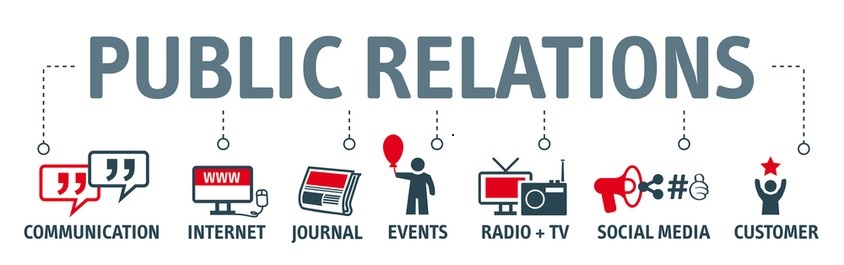
Public relations, or public affairs is the process of interacting with the public via different modes of communication in order to create or affect your public image. It is usually maintained by releasing newsworthy information on topic of public interest and current trends that benefits both the company and the consumers.
Some of the common examples of public relations include investor relations, customer relations, media relations, and community relations.
What is Media Relation?
Media relation on the other hand is mainly to do with interacting with people from the media or the press. This includes connecting with editors, reporters, and journalists from all kinds of platforms such as radio, television, newswires, and social media. One of the most common and popular ways of doing that is by releasing a press release to various news media channels.
Media relation is undoubtedly the most effective and far-reaching aspect of public relations due to its wider reach. Its goal being able to convey your message or story in an appropriate and intriguing fashion to a larger audience base at once.
So public relation is when you want to address or inform the people as a whole, and media relation is when you specifically connect with news media so as to get an even wider coverage on what you have to say.
On that note, let’s go through the key differences between media and public relations without any further ado.
Media Relation vs Public Relation:
| Public Relation (PR) | Media Relation (MR) |
| 1. Public relation uses multiple channels to give you the public exposure. | 1. Media relation is just one of them. |
| 2. PR is the rectangle: All public relations are not necessarily media relations. There are other types of public relations such as investor relations, government relations, community relations, customer relations, and media relations. | 2. MR is the square: All media relations are public relations. It is just a subset of PR. |
| 3. Public relation shapes the message. | 3. Media relation spreads the message. |
| 4. Public relations achieves success in many ways. | 4. Media relation is one of its achievements. |
As you can see, public relation is a vast process of building trust and loyalty between brand, and consumers. Whereas media relation is just one of the ways of accomplishing that. Nonetheless, media relation is one of the most efficient marketing communications technique that you could use for a number of reasons. Let’s take a look:
Benefits of Media Relations:
Press or media has always been a powerful tool when it comes to effective communication and for all the good reasons:
1. Better media coverage:
In this age of information when half of all the internet is occupied by fake news, independent journalism, pop-culture, and conspiracies, it’s always useful to have your story or message published in a legit way by an authentic news agency. Plus, you’d get a wider coverage with it than any other means of communication.
2. Increased brand awareness:
Media relations are also quite efficient when it comes to increasing your brand’s awareness in the global market. You can use them to convey information about your company, its values and practices, upcoming products and launches, special events, community service, or anything that is newsworthy or of public interest.
What’s more is that most media outlets can look for multiple places to publish or broadcast your story starting from newspapers, newswires, websites, blogs, podcasts, television stations, radio shows, and so on. A variety of these different modes further help increase your brand awareness while addressing your actual targeted audience.
3. More credibility:
Getting your message delivered to the public by a trusted media outlet can also put a lot of substance into your story. Besides, most consumers tend to stay loyal to companies they trust. The same goes for media outlets. Any news agency that has established this trust is most likely to win the loyalty of its consumers for your brand or business, which is a win-win for all!
4. Strong media relations:
By being in touch with media personnels on constant basis, you can build your own network of trustworthy media partners who when the time comes can help you with valuable insights into current trends and topics. And if your stories are captivating enough, they might as well approach you as a source rather than going to your competitors.
5. Crisis management:
Crisis management is yet another critical aspect of public affairs that has to be dealt with carefully. Hiding a crisis from the public, or the investors is never a good idea! And that’s where media relations come into picture as a humble way of informing the public about what went wrong, what kind of crisis is it, and how long or what measures you’re going to take to control it in timely manner.
So media relations, as you can see, is not only limited to reaching out to more public, but goes far deeper in shaping the over-all publicity of your brand which is the ultimate goal of media relations in public relations as a whole.
Benefits of Public Relations:
To be able to create and maintain a favourable public image for your brand is quite an achievement in itself. But an effective public relations campaign is much more than that. If done right, it could accomplish a lot more than just publicity, starting from meeting your business goals to getting out your messages right.
Here are some of its key benefits:
1. Credibility:
Since public relation is more to do with providing newsworthy content than direct marketing, it naturally boosts the over-all credibility of your brand in the public as a customer-friendly business than money-oriented. Moreover, modern consumers are too smart and cautious about where to spend their money, and eventually tend to show more confidence to companies that manage their public affairs through credible sources.
2. Target Market:
Attracting and retaining a target market is of great importance if you want to succeed in your business. A well-placed PR campaign can do just that by placing your products, services, and information in various places pertaining to those target markets.
3. Brand Image:
Brand Image is always at the core of public relations. Contrary to marketing which is mainly to do with selling a product or service, public affairs is a delicate business of creating and maintaining a positive and long-lasting image of your brand in the market. A positive perception of your brand would further help you gain trust, loyalty, and confidence from your existing customers and well as new prospects.
4. Short and Long-term goals:
Public relations can be used to meet both your short-term as well as long-term goals. Whether it’s about increasing the visibility of your brand, or offering valuable insights about your business practices, whether it’s about building strong relationship with the community, or giving more value to your clients, public relations is always at the forefront of any business strategy.
5. More value for customers:
PR can also help you offer more value to your customers in many ways. For instance, personalized e-mails about upcoming offers and order placement, assistance with sales process, post-sale customer care and so on.
All-in-all, public relations is a broader concept that uses various means of communication at its disposal to help you create and maintain a positive outlook of your company. Media being the primary tool to convey and transmit the information of public interest which in turns helps the company. So it’s more like establishing a mutually beneficial relation between a company and the pubic. Let’s take a quick look before we end this topic.
How do Public relations and Media relations work together?
As it must be evident by now, media relation is a part of public relations which revolves around making a brand famous and popular by means of press or the media. Although public relations aim at the same goal i.e. publicity, it may use other means of communication along with media, such as online communities, company’s website, and so on to spread the message.
So whether or not to use the media for managing your public affairs depends totally on your business objectives and the type of informationpublic relations vs media relations you want to release. Once you have specific goals in your mind, you can start considering the type of public or media relations strategy that’s more likely to succeed.
Hope this article would help you draw a fine line between public and media relations without mixing the two.
“Whoever controls the media, controls the mind.”
A quote that quite aptly describes the crucial role that media plays today. Due to the increasing influence of media, over most of the choices people make, it has become mandatory for organizations to have positive media coverage. However, with social media platforms becoming a rage, consistent monitoring of these channels is also important to make sure you are sharing the right things with your clients. Today, you will find many tools specifically designed for PR activities that analyze reports, monitor your stories, and send pitches. This article highlights some of these PR monitoring tools to ease out your workflow.
Media Relations v/s Public Relations:
Media relations is propagating to the public; the missions, policies, practices of an organization through media. The goal of this is to create a maximum positive outlook in media about the organization, without paying for it through advertising. On the other hand, Public relations is a term often colloquially confused with media relations. There’s a subtle difference between pubic and media relations, however.
Public relations extend beyond media to the general public whereas media relations involve company relationships with journalists. The organization and journalists both are benefited from media relations. Institute of Public Relations in the USA defined Public Relations as a deliberate, planned, and sustained effort to establish and maintain mutual understanding between an organization and its publics.
Media Monitoring:
Media monitoring is not only useful to startups and small enterprises but also to large businesses. Media monitoring is basically being aware of what opinion others hold of your brand, competitors, and anything that affects your organization. In the past it was more of a cut-paste job wherein articles from newspapers were cut and pasted into clipbooks. Today, the software has replaced scissors. There’s the use of machines, processors, algorithms etc., making the task more refined. In simple terms, it could be listening acutely at all times. It could be done on social media platforms, broadcast, print, and online. It makes use of news monitoring and media tracking to create an impact.
It helps understand the customer base, know the brand perception and reputation, help mitigate risks, and help in better decision making by evaluating efforts.
There are three broad categories of media monitoring:
♧Free or cheap options
♧Paid media monitoring tools
♧Premium monitoring services
PR Tools and Their Importance:
Public Relations professionals make use of various tools including speeches, special events, news, brochures, audiovisual materials, logos etc. to create brand awareness. However, the use of PR monitoring tools has been known to manage your company’s media relations the best.
Public relations tools can convert interested consumers into loyal customers by persuasion tactics and creating positive attitudes regarding the brand. They are cost-effective and highly pay off, and ensure that your agency’s visibility and image across the market improves. They not just manage and track your clients’ efforts but also your own company’s PR efforts and help you garner the required publicity.
22 Best PR Tools For Monitoring Media:
A) Muck Rack (A GPS to look for journalists):
Muck Rack is a platform that enables the public relations team to come across pertinent journalists to build media relations for their organization. It is user-friendly software whose email system keeps one thoroughly updated on everything that matters.
It helps with Pr pitches for journalists, automatically analyzes press hits, identifies the latest trends, and lets you create newsletters/presentations. This all-in-one PR software act as a centralized PR platform, helping you research and make contacts within the industry.
A few prominent organizations that make use of Muck Rack include Taco Bell, Pfizer, Golin, International Committee of the Red Cross, Knight Foundation, Kauffman Foundation, and Penguin Random House and so many more. Muck Rack’s estimated price is $5000 per year, differing according to the features you choose.
B) Meltwater (A drone camera for media marketing):

Meltwater is the world’s first online media monitoring company. Meltwater has been used for over 20 years and hence can easily differentiate relevant content out of the ocean of information available online today. It brings over 500 million pieces of information every day and keeps adding new sources as well.
The tool performs news monitoring, and monitor print media, over 25,000 podcasts globally, TV and radio and social media. Not only does it provide media monitoring but also provides media database, social listening, social media engagement, and social influencer management. Each of which is described below.
Media database; helps PR teams find critical information required to build relationships with relevant influencers and land their next big public story. It helps with social listening hence making you aware of everything; where everyone is talking about your company.
The social media management tool offered by Meltwater helps streamline the process of engaging with the audience. It tracks competitors, scans conversations, and picks out the most relevant ones. All in all, Meltwater make tasks easier for you and takes care of your company at effective costs. Based on research, the software costs around $4000 per year, some sources cite $6000.
C) Burrelles:

Combining sophisticated technology with specialized expert analysis, Burrelles’ new technologies and expanded product portfolio provide a simple, seamless and personalized connection to media data across all of today’s channels. Its comprehensive suite includes media monitoring, communication tools, in-depth customized reporting, analytical research, press release distribution, media contact database, data services, and professional services. With unparalleled expertise and industry insights drawn from more than 130 years of relentless innovation and dedicated client service, Burrelles takes media data beyond automation.
D) Prezly:

Prezly is a Public relations tool for better and faster cation. Prezly speeds up comms workflow and contact management is made easy by this software. It tracks conversations; teams can leave private notes on the timeline as well. According to surveys; a large number of people rely on manual search, which can be very time-consuming in today’s time. So Prezly speeds up the process and makes everything well-organized by using filters, tags, relationships (add notes to contacts to keep a record), automation (use icons to highlight contacts needing attention), and enrichment (system finds out additional information from search engines and adds it up to the contact information automatically).
Prezly allows you to publish press releases and also lets you create content your way, delivers your content to the right people, keeps spam mails away, and creates well-structured emails. It costs around $50 per month varying according to the plan. Big companies like Ikea also make use of Prezly.
E) Mention:

Mention is a popular media monitoring tool that helps companies with decision-making. You can easily manage your social media accounts and perform other actions from its dashboard. A few prominent clients include Airbnb, Spotify, and Microsoft etc.
Mention monitors the online media, looks out for brand competitors, which helps plan further strategies in a smarter way. It manages your brand by responding to crises right in time, gets you the audience insights, which helps improve, pilots your social channels, and helps your agency grow. 750,000 companies use Mention daily.
Mention has several pricing plans that you can choose from to fit your needs. The average price is €166 monthly.
F) Coverage Book:

Coverage Book lets you build reports faster and more efficiently. It does the grunt work for you. Instead of spending hours opening links and copying data; just by collecting URLs of your mentions, the software gets your data in line for you. Also, it adds relevant images and makes a fancy report within minutes which is, all ready to share. It saves time and sanity. You can also review individual articles and evaluate the impact with the tool. Further, your created report can be edited according to requirements.
The pricing depends on which plan one chooses. The annual plans range between $1089-$5489.
G) Google Alerts:

Google Alerts, send emails to the user when new content related to the search engine pops up on the internet. It keeps one updated about the recent information that matches the search terms. It helps users schedule alerts. One of the most striking features of Google Alerts is; they come free of cost. One can monitor media without paying a penny. However, there is one drawback of Google alerts that it isn’t as well developed yet as the paid software’s are.
H) Cision:

Cision is a media monitoring company known for its avant-garde public relations software that offers marketing resources, public relations services, media contacts database, and press release distribution. Some prominent clients include Citrix, LinkedIn, and 3M etc.
It helps understand brand reputation with help of globally collected data, helps relationship management by increasing outreach. Its top traits include tracking distribution, analyzing features, and making sure you never fail to prove the value of your agency PR efforts. It understands your audience and offers analytics that is insightful and appealing.
The pricing depends upon the package you choose. It is estimated to be around $7200 annually.
I) Brand 21:

Brand 21 is another amazing tool that helps with brand building and integrated marketing expertise. A few users include- BMW, Starwood Hotels and Restaurants, American Express, Microsoft, L’Oreal, and many more.
The tool helps you develop strategies that make your business reach greater heights. It lets you conduct webinars and events to help you go about developing your organization better. With this digital PR tool, you can track your brand rapport, share alerts to your team, and work with one on one follow-ups.
Price starts from $49/month.
J) Anewstip:

Anewstip is a Public relations platform through which media influential and marketers can connect. It helps users find relevant contacts by news, tweets, and profiles. Besides this, it also monitors global articles, news etc. It organizes the media lists and contacts; helps reach journalists through private pr pitches. It also lets you filter out the journalists according to their language and topics.
The tool has various plans to choose from and comes with a 7-day free trial. The average cost of the software is between $200- $400 per month.
K) Agility PR Solutions:

Agility PR Solutions provide media monitoring and analysis software services. It provides a clear picture of your coverage, finds influencers, journalists who want to know your story, tracks your outreach, comes with a newswire tool, provides media intelligence services by doing analysis for you, making briefs, and so much more. It’s a user-friendly software designed to streamline your PR activities.
It doesn’t have a free trial and costs around $1000 per feature.
L) Brandwatch:

Brandwatch is a digital consumer intelligence company. Cision is its parent organization. It’s an AI analyst and gets you insights at a glance automatically. It performs an image analysis and segments data according to your needs. It can be customized and its UI can be combined to find useful insights. It is adaptable and bendable and comes with new technology, which has numerous positive aspects. The tool lets you track breaking news and is very useful during crisis situations and tracks ongoing PR campaigns.
A few prominent users include Nestlé, Unilever, Monster, Delta, Sky etc. It starts from $1,000 per month for 10,000 mentions.
M) Critical Mention:

Critical Mention designs and develops software solutions. It is a reliable and fast media suite. One can get results within 60 seconds. The tool offers easy customization of your reports, improves analytics, and helps them share instantaneously.
Users can search global TV, social media & online news, watch videos, edit and share coverage, build reports, receive real-time email alerts, and analyze coverage using graphs and charts.
N) Journo Requests:
Journo Requests helps find journalist requests and instead of pitching to journalists, it involves responding to their requests. It filters out irrelevant requests and gives you instant alerts on requests in a specific category or based on specific keywords. The tool also provides free daily emails of all the useful mentions from your required journalist list. You can choose 25 categories for daily updates, and the price differs accordingly, starting from £600.
O) Help A Reporter Out:

Help A Reporter Out popularly called HARO is a platform for journalists to get public reviews. The tools help you connect your clients with journalists for expert sources. Journalists and bloggers provide their media outlets and information, submit a free source request, and HARO sends pitches to inbox directly. Using this tool helps you secure valuable media coverage. However, there are a few guidelines that the users must follow while using this tool.
HARO has a free version, but a premium version costs between $19- $149 per month.
P) Augure:

Augure is a CRM-style, cloud-based platform that helps track communications with journalists, offers social media monitoring, email marketing, and a range of other features and options for PR agencies and managers. It allows professionals to find influencers, engage with the audience, and measure the results.
With the help of this tool, relevant media content is compiled, which displays the success achieved on various media platforms. It helps improve ROI and brand management. The price is $350 per month for essential plans.
Q) PR Web:

PR Web works towards building brand awareness. Building text links to sites, adding keywords to URLs, submitting releases to search engines is all undertaken by PR Web. It ensures the digital footprint of your brand stays online and improves your brand awareness. PR Web provides tools to create compelling stories. It also provides a comprehensive report. All this makes it easier to influence target audiences.
PR web provides various options, affordable to expensive ranging between $99- $389.
R) Covered Press:

Covered Press is a Public Relations reporting system that provides analytics, real-time press alerts, and collaboration tools. It makes the job of publicists, journalists, and editors easy. Covered Press integrates with the graphic designing platform, Canva, which helps add visual graphics into reports easily. It offers white label reporting and streamlines three important tools- tracking, reporting, and analytics into one PR platform.
Covered Press pricing starts at $99 per month.
S) Business Wire:

When it comes to press release distribution and regulatory disclosure, Business Wire is a global leader. It is a trusted source for delivering news. It has been connecting audiences and organizations for about 60 years.
It provides tools for pr professionals, investor relations and distribution and analysis. You can reach more than 100,000 media outlets across 160 countries with Business Wire, assuring authenticity and credibility. Pricing is based on the word count of your press release, where 400-word PR starts at $325.
T) Radio Guest List:

Radio guest list is a podcast guest booking service. It provides a platform for experts or brands to self-promote. They have talk shows every day. If a user signs up to their email, they send a guest request through mail, for free. Then the user can gain publicity through ‘on air’ interviews.
U) BlogDash:
BlogDash is an outreach platform for businesses to connect with the relevant bloggers in various categories. It allows creating pitch lists, setting campaign goals, and tracking. They also have an outsourced service for managing content creation, blogger outreach, and tracking.
The price is $199 per month for unlimited services.
V) Pr.co:

Pr.co is a professional public relations firm that helps increase earned media coverage. It makes newsrooms for brands and PR agencies. It allows easy publishing of client news, manages complex editorial workflows, generates media exposure, builds press lists etc.
It considers diversity and inclusion and tries to mitigate environmental impact and contributes to communities. This is done through online magazines, events, and meetups. They offer free services to NGO’s and special programs for startups. The average costing is around £ 447 per month but varies according to add on’s to the basic plan.
Conclusion:
Being socially conscious doesn’t demand perfection, it involves sharing your story to inspire others to start their own. Today, media rules the world. Almost all our decisions are blinded by what the media presents to us. Google search has a significant impact on how your brand is viewed by customers, competitors, and the industry overall. So using public relations monitoring tools and public relations platforms can enhance the development of your organization and help you make it better. Not only does it improve the current status of your brand but also gives an insight into better decision-making in the future while nurturing your organization.
Press releases have been a part of journalism for over a century now. The first press release being published back in 1906, when Ivy Lee, the then public relations expert for the Pennsylvania railroad broke the news of a tragic train wreck that took the lives of over 50 people.
Instead of waiting for the reporters to cover the story, he took it upon himself to write an honest review of the incident and sent it across various news agencies. The NewYork Times was quick to respond to it. Not only did they publish the story but published it in exactly his own words, just the way they received it. And hence, the first press release was born!
What is a Press Release?
A Press release (PR) is a piece of information that you can send across various media channels, publication houses, and newswires for distribution. You can also send them via e-mails, post them on your website, and social media platforms for an even wider media coverage.
Unlike information received from other sources, a press release is verified by default as it comes straight from the point of origin itself. What’s more is that it contains a first hand account of the actual event, which if found newsworthy is reprinted in verbatim in most of the cases.

Although, any information that you send deliberately to press or media is considered a press release, majority of public relations professionals follow a standard format when submitting it. Thus, a good press release would answer all of the 5 Ws of journalism i.e. Who, What, Where, When, and Why, regardless of whether you call it a press release, news release, or a press statement.
And that also explains why more than half of world’s journalists tend to prefer press releases over other ways of news gathering. Aside from making a journalist’s job easy, a press release is also a legit way of reaching out to public or your audience. Its motto being accuracy, authenticity, and public interest. Now, you may think that the rise of social media might have made pr press releases obsolete. But that’s not the case!
Why Press Releases are more important than ever?
Gone are those days when PR could only be used for making official statements and public announcements. These days you can use it for a number of other reasons such as branding, marketing, promotion, ceremonies, events, research publication, and anything of value that you want to spread the word about. And then there is “fake news!” Which has occupied such a large space of online community that it’s hard to make a difference between facts and fiction.
Press releases, being the original piece of information can make a lot of difference here. When done right, it would most certainly get you the media coverage, plus the audience you’re looking for. And should your story be engaging enough, it would find you the right audience faster than you can imagine. Not only would it draw a larger audience base at once, but would also drive organic traffic, more shares, as well as arouse a broader interest for your brand in both the media and the public. And that brings us to the importance of press releases in public relations. Let’s take a look:
- PR can be used for announcing a new product or service, as well as upcoming sales and promotional offers. By including all the product details such as specifications, pricing, stock availability, updates and so on, you can offer more value to customers without having them to look for it.
- Improving brand image is another astounding effect of a good press release. That’s because press releases can provide a relevant, accurate, and valuable account of your business to your targeted clients and interested profiles.
- Press releases and newsletters with eye-catching visuals and images help drive interest. High-quality images can do a lot more than draw attention. They can tell a whole story! In fact, a media press release with an appealing image is 7 times more likely to be read as compared to the one without an image.
- The primary purpose of press release is instant world-wide distribution. Compared to its early days when press releases were limited to papers and newswires, modern tech has brought various other means of distribution such as e-mails and social media for swift and easy transmission.
- Press releases are quite useful when it comes to expanding public knowledge. It’s a great way of communicating with your audience directly, and deliver messages in an interesting, informative, and entertaining manner.
- Viral possibilities- Press releases can easily go viral should they be valuable enough. They are a permanent piece of record on your company’s website, which can easily be accessed via any internet enabled device round the clock.
- Portability and convenience are yet another qualities of a press release in the age of information. A smartly crafted press release would be easy to understand without having to go through the entire content. And that’s something you can do using special characters and elements such as bold letters, catchy quotes, and underlining etc. The point is to make it look more appealing, scannable, readable, and comprehensible at a single glance.
- Search engine optimization is the key if you want to come up at the top of the search engine rankings. By including targeted keywords and links in your press release, you can make it more friendly to google search criteria.
Now as important as press releases have become in the modern digital age, the fundamental rules of writing a good press release haven’t changed much.
What do you need to know before you start writing a Press Release?
Press releases can be used in a number of situations. What you need to know is whether or not a particular situation needs a press release article. Remember the thumb rule for creating a press release is that it should be of public interest. So as long as you’re able to draw the public’s attention with it, you are okay! Once you’re sure that it would be of some use for the public, you can get to the actual reason for publishing a press release in newspaper.
Here’s what you need to understand before writing one:
– What do you want to accomplish?
– Is it for branding and marketing?
– Or do you want to add more subscribers with it?
– Or maybe you want to promote a product or service? And so on. (I hope you get the idea!)
Another thing to keep in mind, is basic journalism which as I already mentioned revolves around the 5 Ws. Now, depending upon the actual reason of publishing a press release, you can choose from different types of it.
What are the different types of Press Releases?
Press releases can be published based on your long-term goals as well as short-term objectives. Keeping that in mind you can design the content of a press release while sticking to the standard format. And yes, don’t forget the 5Ws!
Okay, so here are the different types of press releases:
1. New/Improved Product Launch:
It is a type of press release that can be used to offer valuable insights about new products and services. That includes product’s specifications, pricing, availability, improvement, date of launch, and other details that you might think of value.
2. Upcoming Events:
Upcoming events can also be promoted using press releases and newsletters. This type of PR press release would contain everything about the event starting from its objective, venue, pricing (if any), invitees, and other important details.
3. Grand Opening:
Grand opening press releases can be published in many scenarios. For instance when you’ve opened up a new office or business, or relocated, or even if you’re trying to kick-off a start-up. This type of press release must contain the date, timing, and the venue of the grand opening, important participants, schedule, and any other noteworthy aspect of the party.
4. Executive promotions/ New hiring
Executive promotions/ new hiring are always crucial for a company and its success. A press release here can be used as a compelling way of establishing the credibility of your frontline workers on behalf of your business.
5. New Partnership:
New Partnership with other businesses is mostly a win-win. Plus letting the public know about them would only make your business practices more transparent and customer friendly. A press release is a great way of doing so with intrigue. But to do that correctly, you must include the reason why you’re partnering up in the first place, followed by a brief summary on each company, and most of all how does it help your customers, clients, and stakeholders.
6. Awards:
Awards are for winners. And winners love to celebrate! Besides, releasing a statement about your accomplishments as a business can help you establish your brand’s authority in the market. It can also help you earn the confidence of your sales prospects in your products and services.
7. Crisis management:
Crisis management or crisis communication press release is all about being transparent with your audience. Especially when your business is hit by some sort of crisis, be it financial, organisational, technological, natural, or internal. This type of press release should highlight the problems your company is facing, the impact it has made, and the plan and course of action that you’ve taken so as to minimise its effects.
8. Mergers and Acquisition:
Mergers and Acquisition are worth releasing a press statement. That’s because merging with, or acquiring a new business or a company is a sign of growth that would impact your entire business and the people around it. Make sure to include all the details such as the companies involved, their area of expertise, and any message of value their thought-leaders want to convey.
As you can see, press releases can be circulated for a number of reasons. All you need to do is stick to the rules, specify the information based on the type of release you want to publish, and I’m sure you’d be able to write a good old-fashioned press release in no time!
Speaking of which, let’s find out how to write one.
6 Essential Parts for writing a good Press Release
Press releases have come a long way. Yet, haven’t changed much. Although the means of communication have evolved, the basic idea and structure of a press release remains the same as it was before internet. That is, 4-5 paragraphs of total word limit between 400-500, and the over-all length of press or news release being anywhere between 300-800.
The essential components of a good press release are as follows:
1. Headline/ Title:
The first thing anyone would notice in a press release, or any news article for that matter, is its headline. The catchy it is, the more likely it is to grab your attention. It’s what will attract the reader to the whole story. And for that you would need to make it spot-on, something that you can do easily by making it relevant.
You can also include the targeted keyword in the title but make sure that it doesn’t sound like a sales pitch. In fact, that’s the last thing you want to do with your press release. The characters should be somewhere around 60 for Google, while the word limit could be anywhere between one to six. Also make sure to use upper case in all the words of a headline except for the words with 3 characters or less. Remember, the goal of a headline is to arouse interest. So keep it short, sweet, and informative.
2. Dateline and lead paragraph:
Okay, so you have your reader’s attention. What now? Well, now is the time to answer the 5 Ws!
Start by mentioning the date and the place of the origin of the story, followed by a simple and short account of upto 25 words so as to keep the reader engaged into what you have to say. You should also refrain from using fancy words and phrases in the lead paragraph. Instead, keep it to the point and include only the key information that you want to announce to the public.
3. Contact Information
Contact details of your communication officer is also something that you can mention at the top should a journalist wants to get in touch. It should include the name of the public relations representative, company’s name, telephone number, website and email address. By having a separate spot for contact info, you can save a lot of space in the body section and use it to convey the story at hand.
Here’s a perfect example of a product launch press release wherein as you can see the contact info is mentioned right at the top, next to the title.

4. Body Section
This is the main part of a press release where you can cover the whole story with all the relevant details such as facts, stats, images, videos, charts, hyperlinks and anything else of value. Body section also allows you to cover the 5Ws incase you weren’t able to do that in the lead paragraph for some reason. You should do this in the first paragraph of the body.
In the second paragraph, you can use quotes and insights from those involved or effected by the release to support your story.
The third and the last paragraph of the main body would be all about summarising the news and key points made in headline and above paragraphs.
5. Boilerplate Statement (About the company)
Boilerplate statement is a general description of your company and area of expertise that you can use over and over again in business press releases so as to tell the people about your business and what you have to offer. You can also add links to your website and social media pages to direct the readers to your content in this section. A common way to do so is to include an “About the company” section right at the bottom.
Here’s a superb example of a boilerplate statement in a press release:
6. Call to Action (CTA)
Although, a press release information should not sound like a sales pitch, in no way does it mean that you cannot use CTAs in it. In fact, one of the main purposes of an online press release statements is to drive web traffic to your website. But to do that correctly, you must first realise the goal of your press release. So if it’s intended to target web traffic, you can use the “learn more” tactic as a CTA. In a product launch press release, you can use “limited period offer”, or “pre-order” button and so on.
It could also be a simple invite of sign-up, weekly tips, or an invitation to become a part of an event or member of the company’s community. The point is to include an appropriate CTA at the end of every press release so as to create opportunities while getting all the public attention you desire.
Example of a good Press Release:
Although, thousands of press releases are being published everyday, only a few make a lasting impression. Below is a cool example of press release made by early childhood nutrition company “Gerber”! It’s an event and award announcing press release that contains almost all the elements of a good press release.
Here, take a look:

Tips for publishing Press Releases:
Writing a press release is only the first part. The next challenge is to get it published by news media for which you’ll have to send it across multiple news channels including newswires, social media, your website and blogs, and other places that you believe can get you the media coverage you want.
Here are some of the tips that you can use to get the best out of a press release:
1. Reach out to specific journalists:
Bombarding the press with your press release is not a good idea. You must do it in a professional way by contacting only those journalists and reporters you know well, preferable those who’ve worked with you or your company in the past.
2. Don’t be afraid to go offline:
Press reporters usually have a lot on their plate to deal with on daily basis. And thus it may not always be easy for them to sort through each and every e-mail, unless of course they have prior information about a particular one.
Regardless, you should stay on a safer side by including offline mediums of reaching out to media as well. You can use ordinary post or any there offline channel you find feasible.
3. Send the release to top journalists the day before:
Best journalists take time to get familiar with a news report to be able to craft a story around it. By sending them the release prior to the day of publication, you can give them ample of time to prepare. You can do that by sending the press release in embargo, which means that although they can go through the release, they can’t share it with public until the time that you have specified.
4. To avoid competition, don’t publish your release on the hour:
Timing is also crucial when it comes to publishing a press release, especially with online newswire services. Instead of posting it at the exact hour, when most companies want their releases to go out, the smart thing would be to either submit it before the hour or after the hour.
For instance, instead of publishing it at 0100 hrs, or 0300 hours, you should try 1:15, 2: 30, or 3:20, or any other random time of the hour but never on the exact hour.
5. Share your media coverage:
Once your press release is published by the press, comes the time to share the media coverage you’ve got. Sharing your success stories and what media says about you is a great way of promoting your release.
Conclusion:
A good press release, complete in all its requisite elements and structure can generate a lot of public attention and awareness about your brand and values. If done right, it can drive significant web traffic to your website, boost leads, and increase the over-all ROI without increasing your expenses.
But remember, a press release usually has a short-term impact as it lasts for a couple of months at max. So try and come up with useful press releases whenever it’s possible especially when it’s about public interest.